| |
-
Windows System Architecture
WDK Development Environment
Visual Studio Development Environment
WDM Kernel Driver Model
IOCTL Device Communication
Kernel Mode Driver Framework (KMDF)
KMDF Objects, I/O Model, Dispatch Types
Bus Systems and Parameters
Resource Management
Physical Memory (IO-Port, Mapped Memory)
DMA Methods
Interrupt Management
Kernel Event and Timer Handling
UMDF COM Model
Plug & Play / Power Management
Stack Synchronization
INF Files
Driver Signing
|
|

|
|
Windows Kernel-Driver (KMDF) Training Hardware
|
| |
Windows Kernel-Driver (WDF) Development Software
|

|

|
|
For the Windows Kernel-Driver (WDF) course, knowledge of C/C++ programming under Windows is required
|
| |
The training is offered as a "Hybrid Training" (remote or classic in-person). Sybera also offers this training as an in-house seminar on-site at the customer
|
|
Professional Kernel-Driver Training for Windows
|
|
WDF Kernel-Driver Training for Windows Developers with WDM, KMDF, and UMDF – practical course on professional development of kernel drivers for Windows.
|
Goal of the Training
|
|
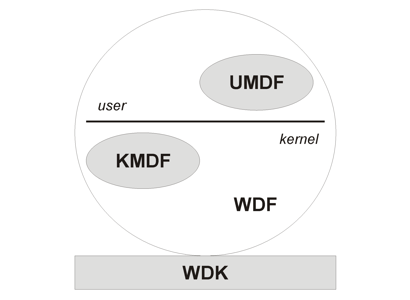
This training provides developers with a solid understanding of creating Windows kernel drivers using the Windows Driver Frameworks (WDF). The goal is to explain the background of the frameworks KMDF (Kernel-Mode Driver Framework) and UMDF (User-Mode Driver Framework) in comparison to WDM (Windows Driver Model) and to provide practical knowledge for safe and efficient driver programming. The course is suitable for developers who want to successfully realize their own kernel driver projects and professionally implement complex driver requirements.
|
Training Content
|
|
The focus of the training is on the architecture and practical application of the Windows Kernel Driver Framework WDF, as well as its components KMDF and UMDF. It covers the fundamentals of Windows System Architecture, the use of the WDK and Visual Studio development environment, the differences between WDM and the modern frameworks, and programming driver communication using IOCTL. Further contents include resource and memory management, DMA methods, interrupt and event handling, Plug and Play and Power Management, stack synchronization, INF files, and code signing. The training combines theoretical foundations with practical examples for implementing your own device driver projects.
|
Who is the Training suitable for?
|
|
The WDF Kernel-Driver Training is aimed at software developers who develop kernel drivers for Windows systems or want to deepen their knowledge in driver programming. Prerequisites for participation are solid knowledge of C/C++ programming under Windows, as this is necessary for implementing the practical content and exercises. The training is particularly suitable for developers who want to efficiently realize demanding driver projects with modern frameworks.
|
Training Formats
|
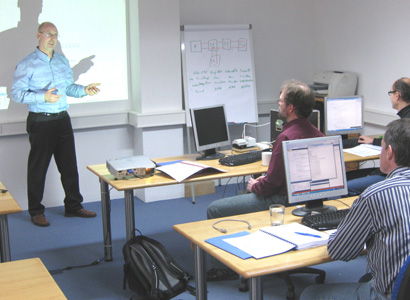
The training is offered in a Hybrid Format: Remote, In-Person, or In-House at the customer's site, allowing for flexible learning regardless of location. In-person training at Sybera provides an interactive environment and exchange with other participants. In-House training can also be individually tailored to company projects and specific requirements.
|